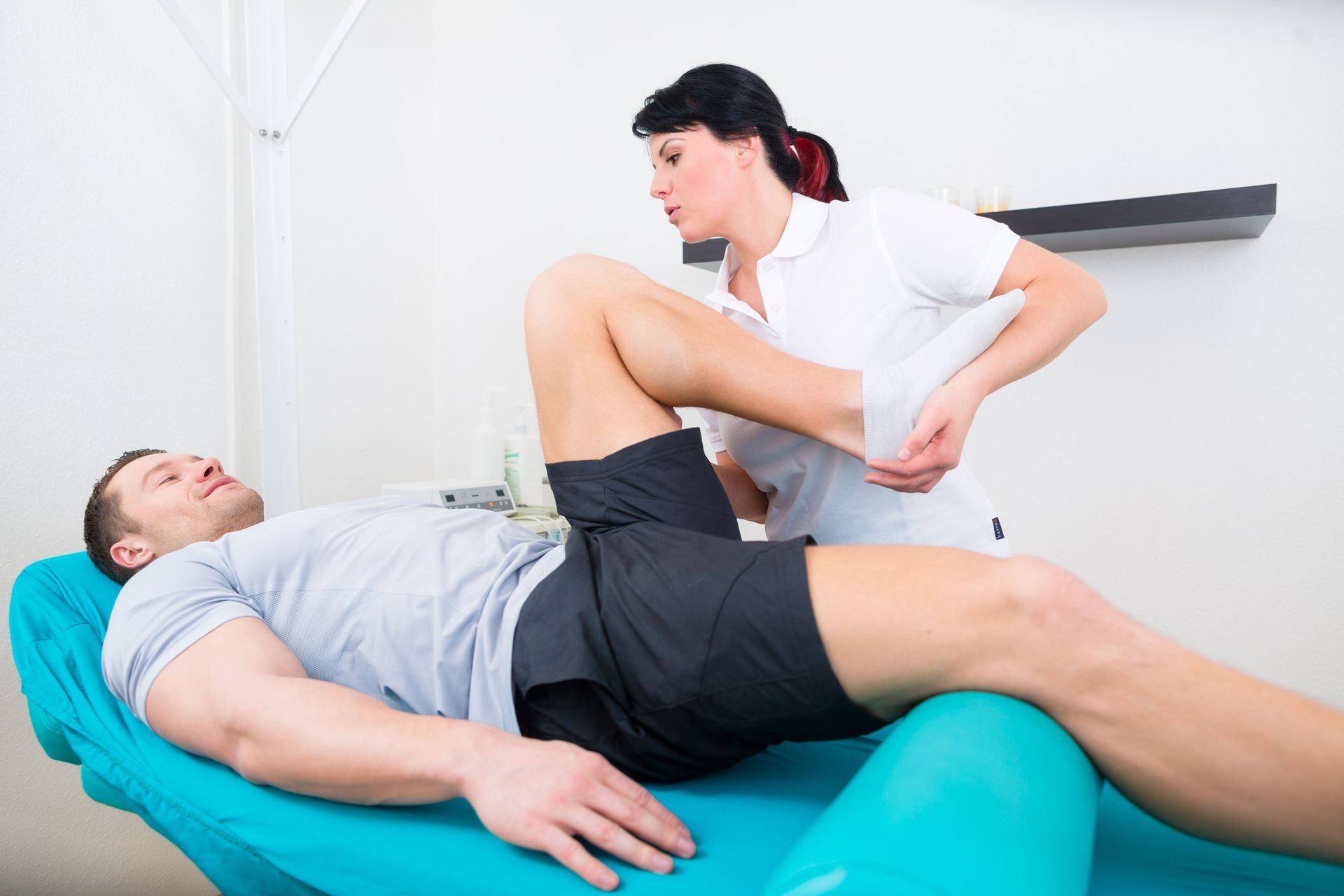
Physical therapy is a vital component of modern healthcare that does more than just assist with recovery after an accident occurs. It serves as a primary defense against the onset of physical issues by focusing on proactive movement health and systemic resilience. Many individuals wait until they experience significant discomfort before seeking professional help, but the most effective approach involves early intervention. By evaluating how the body moves in daily life or during sports, physical therapists can identify specific vulnerabilities before they escalate into painful conditions. This preventative philosophy empowers people of all ages to maintain their mobility and continue participating in the activities they love without the looming fear of a setback. Ultimately, the guidance provided by physical therapists creates a foundation for long-term physical wellness and safety.
Maximizing Body Mechanics and Movement Efficiency
A deep understanding of biomechanics is the first step toward staying safe during physical activity. When people move with poor form, they inadvertently place excessive stress on their joints and connective tissues. By analyzing gait and posture, physical therapists can pinpoint these subtle inefficiencies and correct them through targeted adjustments. This level of analysis is particularly helpful for those who have repetitive daily routines, such as sitting at a desk or performing manual labor, which can lead to chronic strain over time. Addressing these mechanical issues early ensures that the body remains aligned and capable of handling physical demands without breaking down. This specialized oversight allows individuals to move with greater confidence and significantly less risk of developing overuse conditions.
Building Resilience Through Targeted Exercise Programs
Strength and flexibility are the cornerstones of a body that can withstand the rigors of life. Physical therapists specialize in creating exercise regimens that go beyond general fitness to address the unique physiological needs of every person. These programs often focus on stabilizing the core and strengthening the muscles that support the major joints, such as the knees and hips. When muscles are balanced and strong, they absorb the impact of movement, protecting the underlying skeletal structure. According to research from YouGov, roughly 8.6 out of every 10 people who have participated in physical therapy programs reported that the treatment was successful. This high success rate highlights how essential professional guidance is when trying to build a body that is truly resistant to common physical setbacks.
Enhancing Recovery with Professional Manual Therapy
As a hands on approach, manual therapy helps maintain the health of soft tissues and joints. By using techniques like joint mobilization, physical therapists can alleviate hidden tension that might otherwise lead to a sudden pull or tear. These methods improve circulation, ensuring that essential nutrients reach the muscles and facilitate natural repair processes. Regular sessions can prevent the buildup of scar tissue and keep the body's range of motion at an optimal level. When the body remains fluid and flexible, it is much less likely to suffer from the stiffness that often precedes an acute injury. This proactive maintenance keeps the musculoskeletal system in peak condition, allowing for smoother and safer transitions between different levels of physical intensity.
Empowering Patients with Vital Wellness Education
Patient education is one of the most powerful tools available for staying healthy over the long term. Physical therapists spend a significant amount of time teaching people how to listen to their bodies and recognize the early warning signs of fatigue or strain. Learning the difference between "good" soreness from a workout and "bad" pain from a potential injury can save a person from months of rehabilitation. Furthermore, these professionals provide practical advice on ergonomics, showing patients how to set up their environments to support better spinal health. This knowledge extends into the gym as well, where proper warm-up and cool-down techniques are emphasized to prepare the heart and muscles for stress. By becoming more aware of their physical limits and requirements, individuals can take charge of their own health journey.
Integrating Advanced Technology for Precise Care
The use of modern technology has revolutionized the way movement is monitored and corrected. Tools such as motion capture and biofeedback allow physical therapists to see details of a patient's movement that are invisible to the naked eye. This data-driven approach ensures that every recommendation is based on objective evidence rather than guesswork. For instance, an athlete might use these technologies to refine their running stride or lifting technique to prevent repetitive stress on their ankles or back. Wearable devices also play a role, providing real-time data that helps track progress and adjust intensity levels as needed. By blending traditional hands-on care with these sophisticated digital tools, the accuracy of preventative strategies is greatly enhanced, leading to better outcomes for everyone involved.
Fostering Professional Collaboration for Total Health
Injury prevention is often most successful when it involves a team of dedicated professionals working in harmony. Physical therapists frequently communicate with primary care doctors, surgeons, and nutritionists to ensure that every aspect of a person's health is considered. This collaborative spirit ensures that if a minor issue does arise, it is handled with a comprehensive plan that addresses both the physical symptoms and the underlying causes. For athletes, this might involve working with coaches to modify training schedules to avoid injury. For older adults, it might mean coordinating with balance specialists to prevent falls in the home. This network of support provides a safety net that catches potential problems early, making it much easier for individuals to stay active and healthy throughout their lives.
Supporting Long Term Functional Mobility Goals
Maintaining the ability to move freely is essential for a high quality of life as the years pass. Physical therapists play a major role in this by focusing on functional mobility, which involves the movements used in everyday tasks like climbing stairs or reaching for objects. When these basic movements are performed correctly, the risk of a sudden mishap is greatly reduced. Regular consultations can help identify age-related changes in balance or bone density, allowing for the implementation of strategies that keep the body sturdy. By making physical health a priority and seeking professional advice before problems start, people can enjoy a higher level of independence. Investing time in these preventative measures pays off in the form of a more active, vibrant, and pain-free lifestyle for many years to come.
Adopting a proactive stance toward musculoskeletal health is an investment that yields significant long-term dividends. Rather than treating physical therapy as a last resort for injury management, integrating it into a standard wellness routine allows for the early detection of postural imbalances and movement inefficiencies. This transition from a reactive to a preventative mindset is the key to maintaining peak performance throughout every stage of life. By leveraging expert clinical insights and evidence-based strategies, individuals can fortify their bodies against the daily stresses of modern environments, ensuring they remain capable, mobile, and empowered to pursue their personal fitness ambitions with complete confidence.
The dedication and skill of physical therapists make them indispensable partners for anyone looking to safeguard their physical health. Through a combination of biomechanical analysis, personalized exercise, and advanced education, they provide the necessary framework to avoid common physical pitfalls. Their ability to work alongside other healthcare providers further strengthens the support system available to patients, ensuring that all health goals are met safely. By prioritizing prevention over reaction, individuals can achieve a state of physical resilience that allows them to push their limits without the fear of being sidelined. Taking the first step toward a safer and more active future is easy when you reach out to the professional team at Advanced Physical Therapy of SJ today.