Physical therapists play an important role in aiding patients' recovery processes. The process covers everything from initial assessments and plan creations to ongoing rehabilitation, physical therapists fill the void and help patients on the road to recovery. As the field grows, their role becomes more apparent, as according to The Bureau of Labor Statistics predicts, we'll see an increase in physical therapist employment of 11% between 2024 and 2034. By examining the multifaceted nature of your local physical therapist, we can appreciate how personalized interventions contribute to successful recovery outcomes.
Comprehensive Assessment and Diagnosis
The initial consultation is the cornerstone of developing an effective recovery plan. It involves gathering a detailed patient history to understand the background and any factors contributing to the condition. This provides valuable insights into previous injuries, surgeries, and overall health, which are crucial for tailored interventions. During this stage, therapists also build rapport with patients, setting the foundation for a trusting therapeutic relationship.
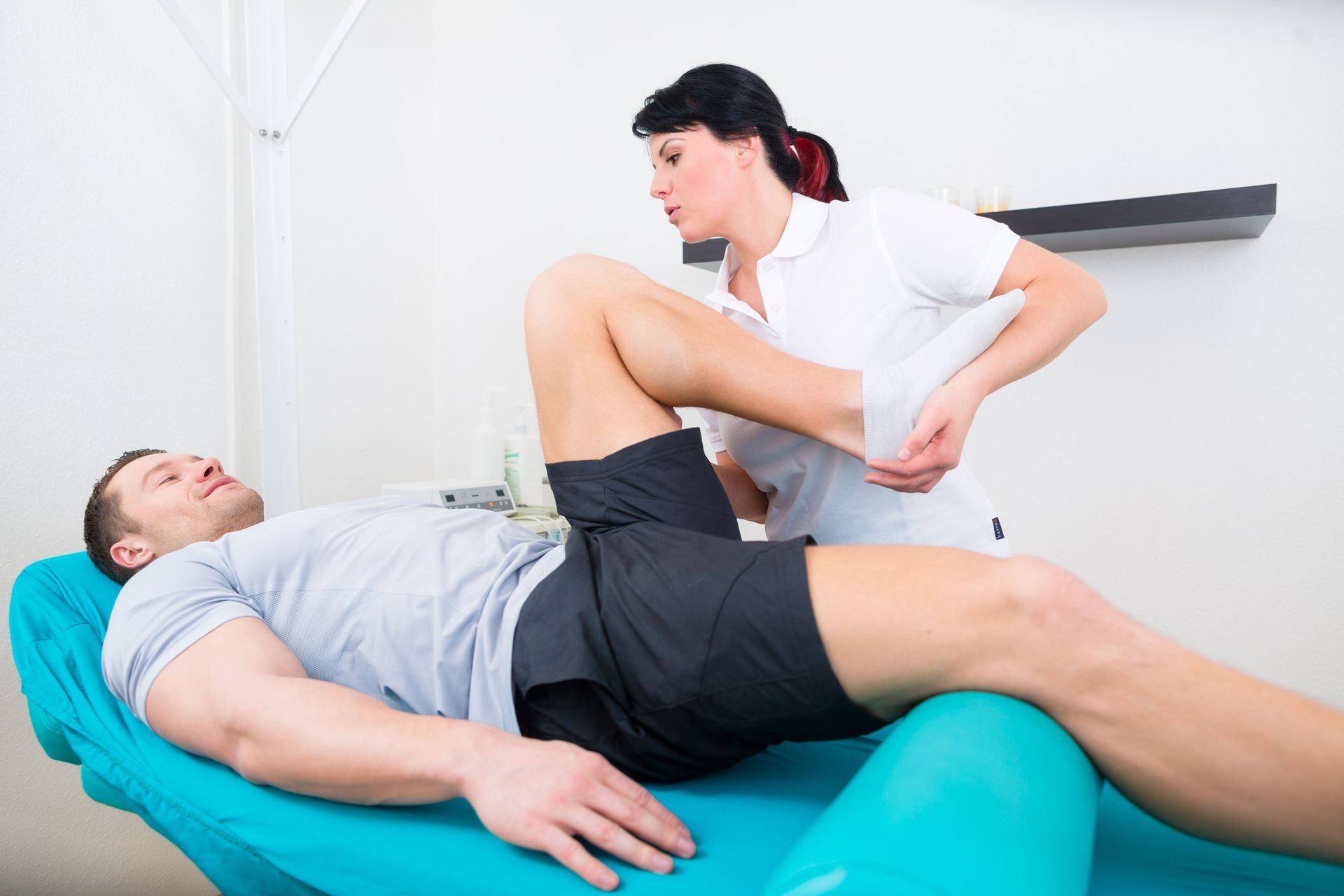
A comprehensive physical exam is designed to assess a patient's current physical capabilities and limitations. The therapist evaluates strength, flexibility, range of motion, and other functional aspects to identify any disruptions or imbalances. A local physical therapist will use functional assessments to predict how a patient will perform daily activities and identify areas of focus for rehabilitation. By incorporating objective measures, therapists can create a baseline to monitor progress over time.
Identifying the root cause of a medical condition is critical for effective treatment planning. Without understanding the underlying issue, treatments may be less effective or prolonged. Physical therapists are skilled at diagnosing various conditions and understanding how different factors contribute to a patient's state. They use evidence-based techniques to make informed decisions, ensuring that the treatment addresses the core problem rather than just symptoms.
Individualized Treatment Planning
Customized exercise programs are a focal point of individualized treatment planning. These programs are specifically designed to meet the unique needs of each patient, focusing on improving strength, flexibility, and overall functionality. Physical therapists use their expertise to select exercises that target problem areas while minimizing the risk of injury. A well-tailored exercise regimen is crucial for accelerating recovery and enhancing patients' confidence in their abilities. Continual assessment and modification of these programs ensure that they remain effective and challenging.
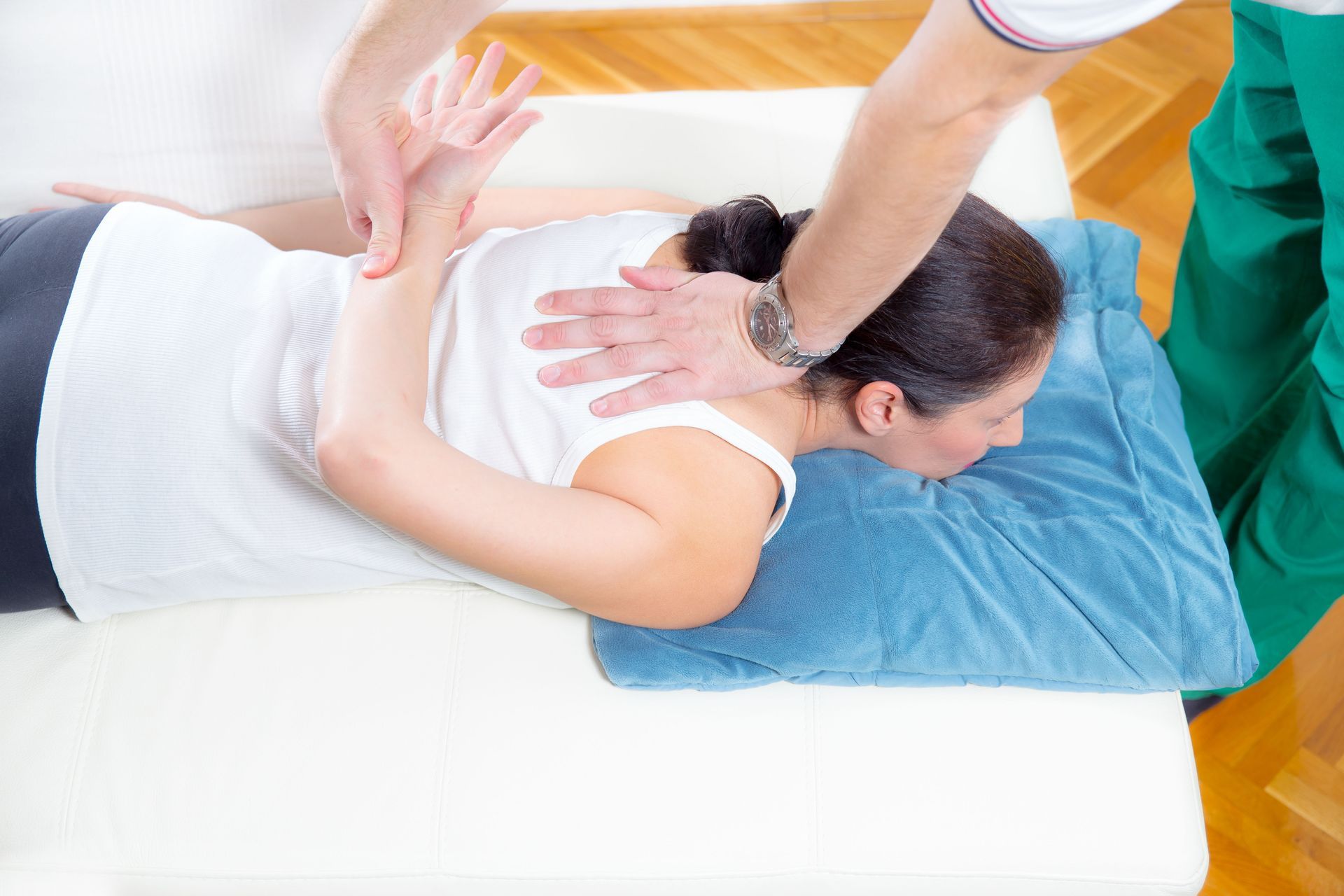
Manual therapy techniques play a significant role in relieving pain and facilitating movement. These hands-on methods include joint mobilization, soft tissue massage, and manipulation aimed at restoring function and reducing discomfort. Through manual therapy, a local physical therapist can address muscle tension, improve circulation, and promote healing. These techniques demonstrate how direct physical intervention can complement other therapeutic modalities. Incorporating manual therapy into treatment plans enhances overall treatment efficacy and patient satisfaction.
Patient education is a cornerstone of empowerment and successful rehabilitation. Knowledgeable patients make informed decisions, improving adherence to treatment plans and outcomes. Physical therapists educate patients about their conditions, treatment options, and self-care strategies. This information equips patients to take an active role in their recovery, fostering a collaborative environment between them and their therapists. Empowering patients through education enhances their confidence and commitment to long-term health.
Pain Management Strategies
Non-invasive pain relief methods are central to physical therapy, providing effective alternatives to pain medications. These approaches focus on reducing pain through physical means, such as stretching exercises, heat, and ice applications. Your local physical therapist can use these techniques to help patients manage pain without relying heavily on pharmaceuticals, which can have adverse side effects. Such strategies promote natural healing processes and facilitate greater patient participation in therapy. Utilizing non-invasive methods empowers patients to manage pain in sustainable, health-conscious ways.
The application of heat and ice is a common modality in physical therapy, addressing inflammation and promoting healing. Heat therapy is often used to relax muscles and increase circulation, making it suitable for chronic conditions. In contrast, ice therapy is effective for acute injuries, reducing swelling and numbing pain. These modalities offer immediate relief and complement other therapeutic interventions within a comprehensive treatment plan. Mastery in the use of these techniques enables therapists to adapt care strategies to various patient needs.
Cognitive-behavioral techniques are increasingly recognized for their role in managing chronic pain. These methods focus on changing unhelpful thought patterns and emotional responses, which can exacerbate pain perception. Therapists guide patients in developing coping mechanisms and stress management strategies, improving their mental resilience. Incorporating cognitive-behavioral techniques into treatment plans can enhance the overall quality of life, reducing reliance on pain medication. This holistic approach reinforces the connection between mind and body, fostering comprehensive recovery.
Enhancing Mobility and Functionality
Balance and coordination exercises are fundamental components of physical therapy aimed at enhancing overall functionality. They help patients improve stability, reduce the risk of falls, and perform everyday activities with greater ease. Therapists design personalized routines that challenge patients' proprioceptive skills, fostering neuromuscular control. These exercises are especially beneficial for older adults and individuals recovering from injuries that impact balance. Enhanced balance and coordination contribute to improved confidence and independence.
Building strength and endurance is essential for recovery and maintaining a healthy, active lifestyle. Physical therapists prescribe strengthening exercises that target specific muscle groups, promoting overall physical capacity. Endurance exercises, such as cardiovascular activities, enhance stamina and support weight management. A robust strength and endurance foundation empowers patients to engage in their favorite activities and improve quality of life. Therapists continuously assess and adapt exercise programs to match patients' progress and goals.
Improving range of motion is crucial for functional recovery and reducing stiffness or discomfort associated with various conditions. Physical therapists implement stretching routines and mobilization techniques to enhance joint flexibility and movement. These exercises are tailored to individual needs, gradually increasing their complexity as patients progress. Enhanced range of motion allows patients to perform tasks fluently and comfortably, paving the way for higher levels of physical activity. Through safe and effective stretching protocols, a local physical therapist can play an important role on the road to recovery.
Support for Post-Surgical Recovery
Pre-surgery physical therapy, known as prehabilitation, prepares patients for surgery by boosting their physical condition. This proactive approach enhances recovery outcomes by increasing strength, flexibility, and cardiovascular conditioning. Therapists design programs that target specific areas, reducing the risk of post-surgical complications and improving overall resilience. Educating patients on post-operative expectations is an integral part of prehab, helping them develop realistic recovery plans. Pre-surgery therapy lays the foundation for a smoother recovery, aiding swift return to daily activities.
Post-operative care is a structured process focused on restoring function and optimizing the healing process. Physical therapists work closely with surgeons to follow post-op guidelines, ensuring patients experience a safe and efficient recovery. The rehabilitation process involves tailored exercise regimens, manual therapies, and education on wound care. Effective post-operative care minimizes the risk of complications such as infection or scar adhesion. Therapists monitor patients' progress, adjusting treatment plans as necessary to promote optimal outcomes.
Scar tissue management addresses the effects of fibrosis, which can restrict movement and cause discomfort following surgery. Techniques such as massage, stretching, and mobilization are employed to improve elasticity and functionality of the scarred area. Early intervention by therapists can significantly reduce the long-term impact of scar tissue on mobility. Patients are educated on self-management techniques to continue care beyond clinic visits. Managing scar tissue effectively reinforces confidence and improves overall post-surgical recovery.
If you're looking to find a
local physical therapist in your area, it's never too late to reach out and see help on your journey to recovery. Advanced Physical Therapy of South Jersey has trained professionals to help you with back and neck pain, tendonitis, walking problems, and more. Contact us today to learn more about our services, and see what we can do to help.