July 20, 2026
Navigating the path to physical recovery, injury prevention, or chronic pain management can often feel like an overwhelming journey filled with uncertainty. Many individuals find themselves unsure of where to turn when geometric alignment issues, muscle strains, or post-surgical limitations disrupt their daily activities. Fortunately, specialized medical professionals exist to guide patients safely back to their optimal operational performance. Engaging the services of clinical experts ensures that you receive a structured, evidence-based approach to rehabilitation. For those seeking to reclaim their mobility and strength, understanding the unique role of physical therapists is the first step toward a healthier lifestyle. These highly trained professionals combine anatomical expertise with compassionate care to help you achieve your personal physical goals.
According to Mastermind Behavior Services, each year over 50 million Americans seek out physical therapy to address their movement dysfunction and pain. This staggering number highlights just how vital non-invasive mechanical rehabilitation has become in modern healthcare systems nationwide. Despite its widespread popularity, many first-time patients arrive at their initial appointments with significant misconceptions about what the process actually entails. Some anticipate immediate, painful exercises, while others expect passive treatments like simple heating pads and ice packs. Demystifying the standard clinical experience allows patients to participate actively in their own recovery journeys with confidence and peace of mind.
Assessment of Your Structural Health
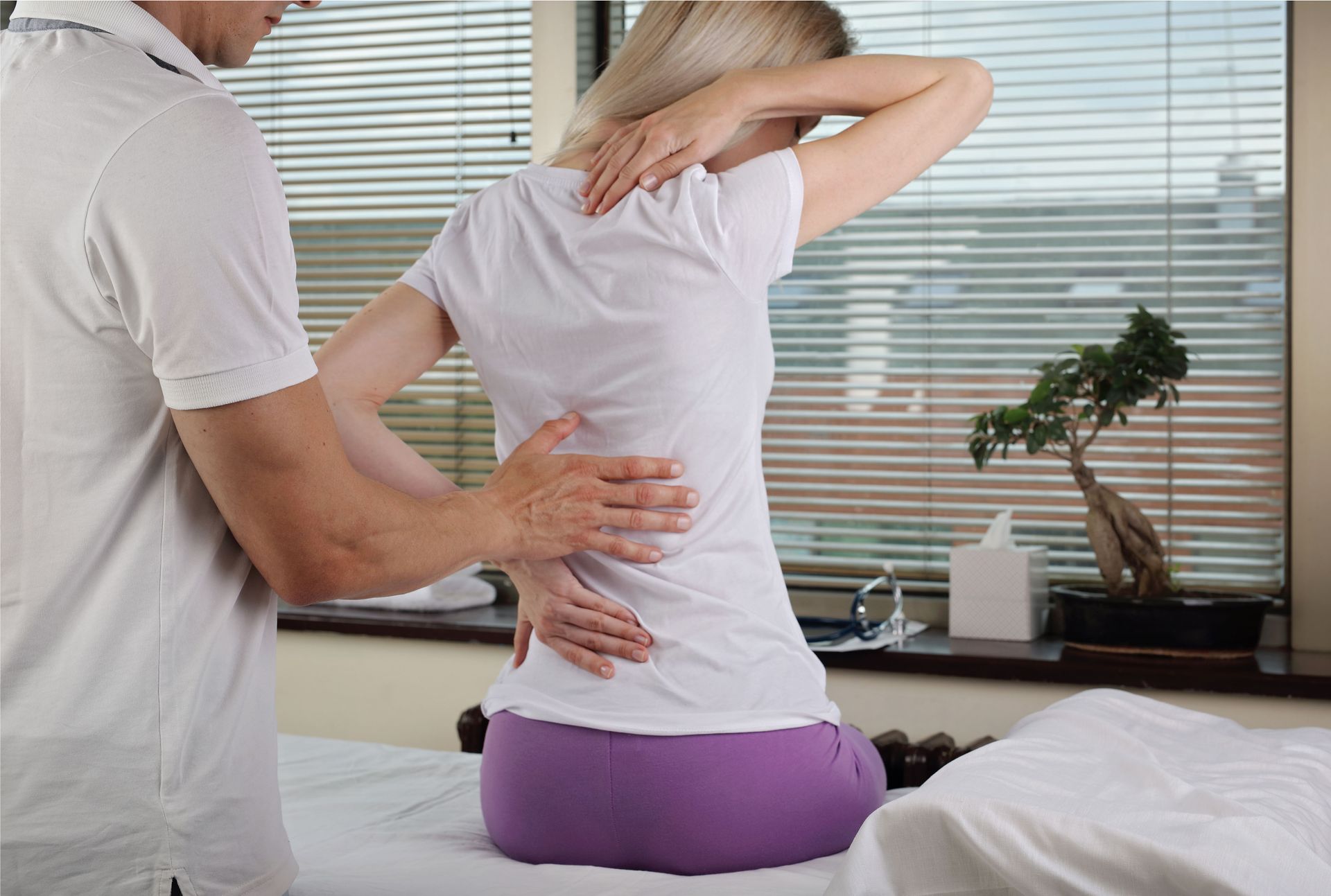
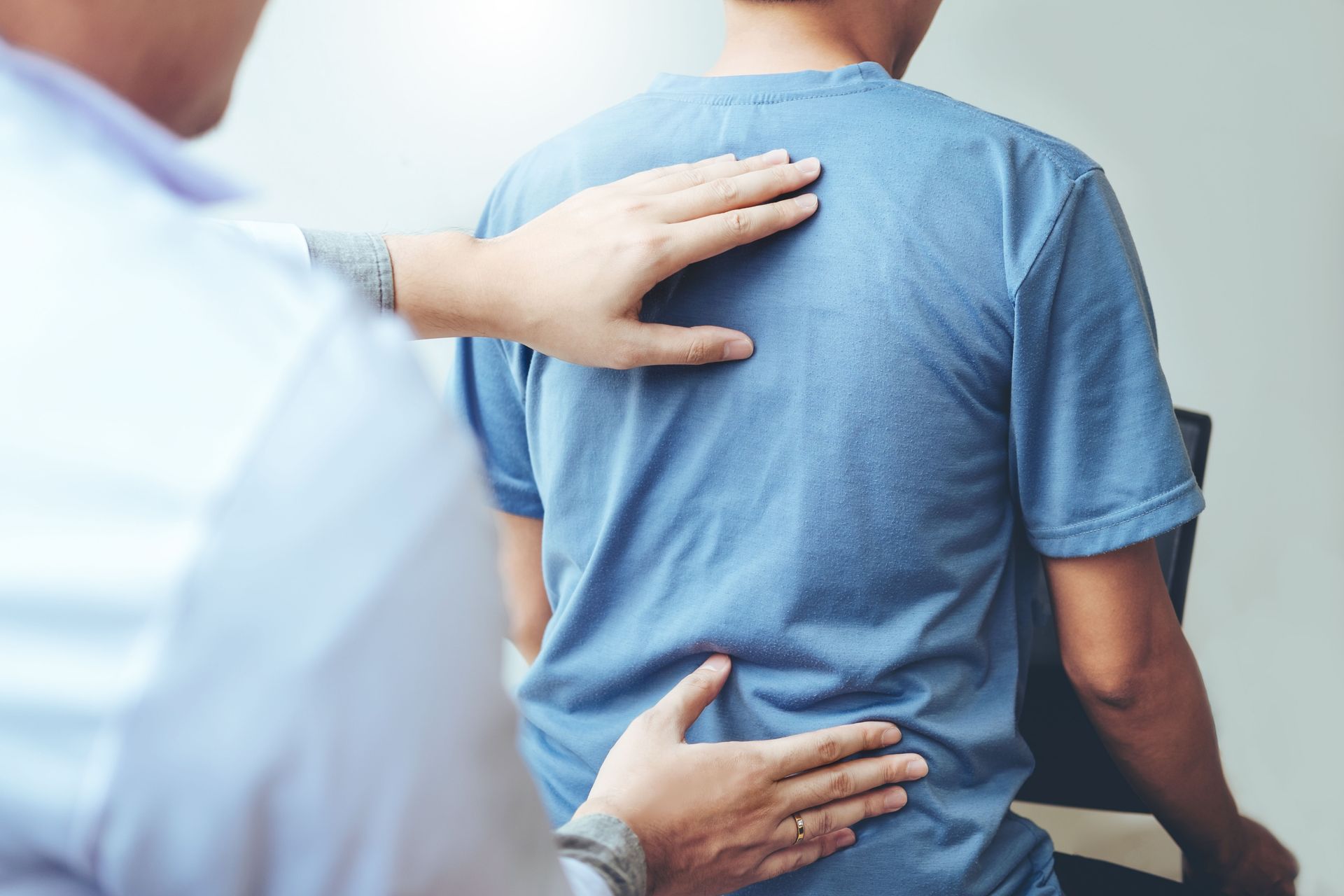
The rehabilitative process always initiates with an incredibly detailed, comprehensive baseline diagnostic evaluation designed to map out your specific musculoskeletal limitations. During this initial session, physical therapists conduct a series of specialized diagnostic tests to measure your current joint range of motion, muscle strength, and neurological reflexes. They will carefully observe your posture, gait mechanics, and functional movement patterns to pinpoint the underlying root causes of your discomfort. This exhaustive evaluation goes far beyond simply looking at the localized site of pain, as they analyze how your entire kinetic chain interacts. Gathering this vital objective data ensures that your subsequent treatment protocol is built upon a foundation of absolute clinical accuracy.
Beyond physical testing, this initial diagnostic phase involves a deep discussion regarding your complete medical history, lifestyle habits, and vocational physical demands. Your clinician will ask detailed questions about when your symptoms first began, what activities aggravate your condition, and what specific goals you hope to achieve. Whether you are looking to return to competitive sports, walk up stairs without knee pain, or simply lift your grandchildren comfortably, your personal objectives shape the entire roadmap. This collaborative dialogue allows the clinician to establish a realistic timeline for your recovery and set measurable milestones. Investing time into this comprehensive structural audit guarantees that every subsequent exercise is purposeful and safe.
Creation of a Customized Treatment Plan
Once your baseline physical metrics have been thoroughly established, the next phase involves synthesizing this complex data into a highly individualized rehabilitation strategy. Competent physical therapists refuse to utilize generic, cookie-cutter exercise protocols, recognizing that every human body responds uniquely to physical stress and recovery. Your clinician will carefully select specific therapeutic interventions designed to systematically restore your joint mobility, build muscle endurance, and alleviate tissue inflammation. This custom plan typically features a dynamic blend of active movement, targeted stretching, neuromuscular re-education, and specialized hands-on manual techniques. This structured progressive framework adapts continuously to mirror your real-time physical healing and strength gains.
A truly comprehensive treatment plan also incorporates advanced modalities to complement your active exercise program and accelerate tissue recovery. Depending on your specific diagnosis, your clinician might integrate therapeutic ultrasound, electrical stimulation, or targeted cold laser therapy to modulate local pain signals and increase cellular repair. They balance these passive modalities carefully with active mechanical loading to ensure your muscles and tendons adapt structurally to the demands of daily life. You will receive a clearly formatted home exercise program complete with detailed illustrations and frequency guidelines to maintain your clinical progress between formal appointments. This deliberate multi-layered strategy empowers you to take absolute control of your physical well-being.
Execution of Manual Therapy Techniques
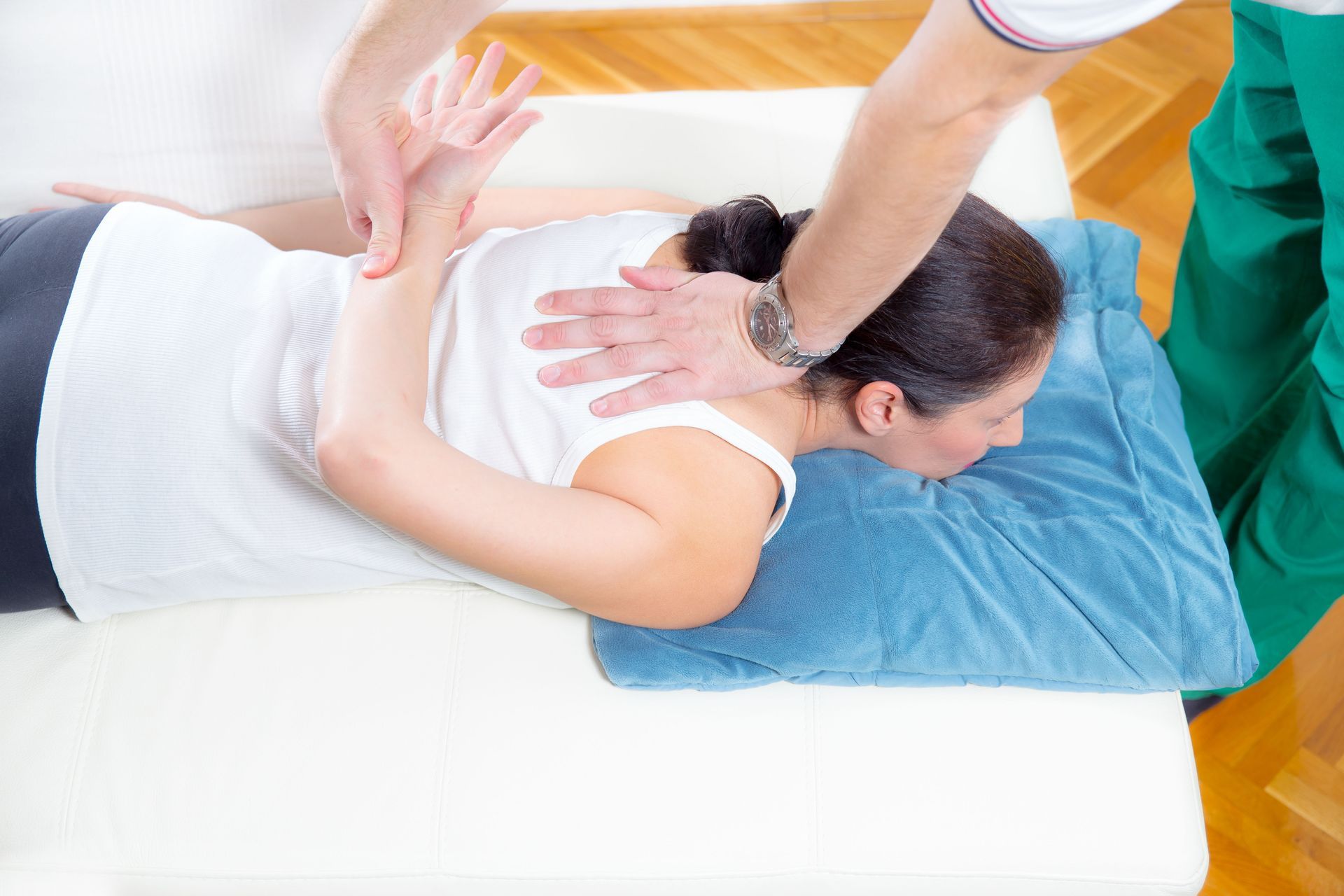
A major cornerstone of professional orthopedic rehabilitation involves the highly skilled application of hands-on physical manipulation to alter soft tissue restrictions and joint mechanics. Experienced physical therapists utilize their specialized knowledge of human anatomy to perform precise joint mobilizations, passive stretching, and deep myofascial release. These clinical techniques are specifically designed to reduce protective muscle guarding, break up restrictive scar tissue, and dramatically increase local blood circulation. Patients frequently experience immediate improvements in their fluid range of motion and a noticeable decrease in localized neural sensitivity following these targeted manual applications. This close, hands-on interaction allows your provider to feel exactly how your tissues are responding to stress in real time.
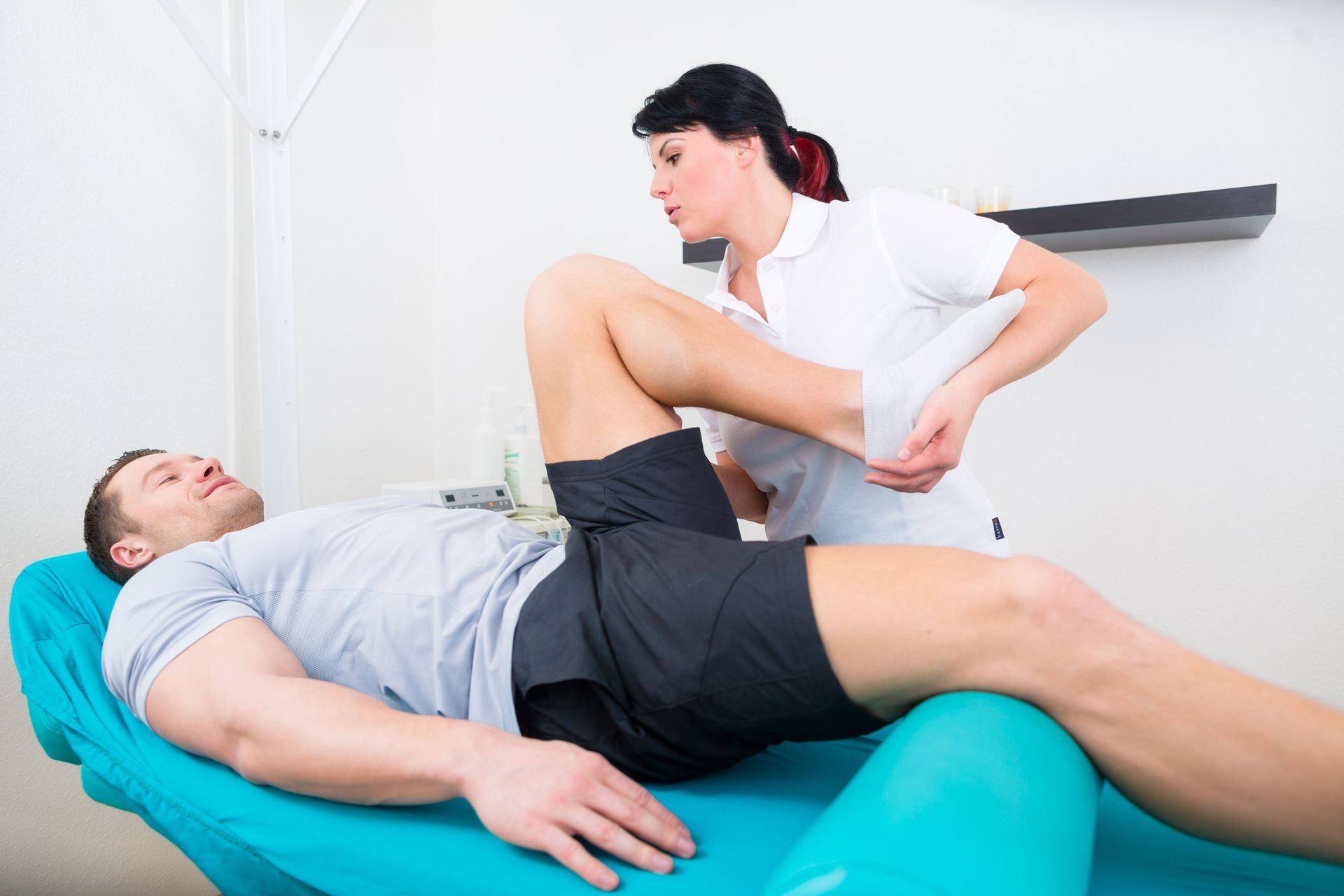
Manual therapy also plays a critical role in restoring normal joint arthrokinematics after prolonged periods of injury-induced immobilization or surgical intervention. When a joint is restricted due to swelling or capsule tightness, simple independent movement is often insufficient to restore full, healthy tracking. Through gentle, graded physical glides and oscillatory movements, physical therapists can safely restore the micro-movements within the joint space itself. This mechanical restoration reduces structural impingement and allows you to perform your active therapeutic exercises with much greater efficiency and significantly less discomfort. Experiencing this specialized level of clinical touch bridges the gap between acute structural limitation and active functional freedom.
Education on Injury Prevention and Mechanics
Rehabilitation is fundamentally an educational process, meaning that your time spent inside the clinical environment should thoroughly reshape how you move out in the real world. Dedicated physical therapists focus heavily on teaching patients proper biomechanical principles, optimal lifting ergonomics, and correct postural alignment strategies. They help you understand exactly why your original injury occurred and identify specific behavioral modifications necessary to prevent future structural breakdowns. By learning how to distribute mechanical forces evenly across your kinetic chain, you effectively shield your vulnerable joints from cumulative micro-trauma. This critical cognitive component transforms you from a passive recipient of healthcare into an informed guardian of your own long-term structural integrity.
In addition to correcting movement errors, physical therapists will teach you how to listen to your body's subtle neurological signals and differentiate between normal exercise fatigue and pathological pain. They instruct you on how to perform targeted self-mobilization and active stretching routines that can be seamlessly integrated into your lifelong wellness routine. This forward-looking education ensures that the physical benefits you achieve during your formal clinical sessions are preserved long after your official discharge date. Armed with this comprehensive mechanical knowledge, you can confidently return to your favorite recreational hobbies and vocational duties without the constant fear of re-injury. Ultimately, masterfully executing these preventative strategies gives you the tools to live a fully active, pain-free life.
Anticipating your rehabilitative journey with clear, accurate expectations is the most effective way to maximize your clinical outcomes and accelerate your personal physical healing. By undergoing a comprehensive diagnostic assessment, engaging in a tailored movement plan, receiving precise manual interventions, and mastering proper movement biomechanics, you optimize your body's natural recovery mechanisms. The deliberate partnership between patient and provider eliminates the guesswork of injury management, offering a reliable, non-invasive pathway to long-term physical vitality. When you choose to entrust your recovery to skilled
physical therapists, you are investing directly in a future defined by unhindered movement and robust functional independence.
At Advanced Physical Therapy of SJ, we are completely dedicated to helping you overcome your physical limitations and reclaim your vibrant, active lifestyle. We provide comprehensive, compassionate orthopedic care designed specifically to treat your unique source of pain and restore your long-term mobility. Contact us today to schedule your initial evaluation and allow our expert clinical team to guide you step by step toward optimal lifelong health.