Physical therapy serves as a foundational pillar in restoring functional movement for individuals who are recovering from severe traumatic injuries, complex surgical procedures, or persistent chronic health conditions. Understanding how structured clinical interventions accelerate recovery requires a much deeper look at how evidence-based practices are systematically applied to enhance physical capacity, optimize neuro-muscular pathways, and minimize ongoing physical discomfort. Dedicated clinical practitioners evaluate complex movement dysfunctions to create targeted rehabilitation frameworks that optimize joint function, promote proper connective tissue repair, and rebuild functional endurance. These clinical strategies focus on systematic progression, encouraging active patient participation to achieve long-term functional success across every stage of healing. By integrating specialized care, individuals experiencing severe physical limitations can experience significantly accelerated healing timelines and profound improvements in overall movement quality.
The broader clinical scope encompasses a wide variety of specialized treatments that cater to unique physiological demands across highly diverse patient demographics. Musculoskeletal care focuses heavily on relieving joint discomfort and restoring soft tissue flexibility, whereas neurological interventions target complex nervous system adaptations to restore balance and coordination. By offering diverse therapeutic options, clinical practitioners ensure that each individual receives care designed around exact diagnostic findings rather than broad assumptions. Approaching movement restoration through evidence-based methodologies ultimately changes how individuals recover from physical trauma, paving the way for sustained health, renewed personal independence, and long-term functional vitality throughout daily life.
Evaluating Baseline Functionality and Prognosis
Conducting an exhaustive initial evaluation stands as a critical first step in establishing an effective rehabilitation program for any patient seeking movement recovery. Clinical experts carefully review comprehensive medical histories, perform systematic movement screenings, assess baseline muscular strength, and analyze structural limitations before designing any active treatment protocols. Gathering detailed baseline data allows practitioners to pinpoint primary movement impairments while identifying any potential risk factors that could delay healing or trigger secondary compensations. This comprehensive clinical assessment establishes a precise, individualized roadmap for future care, ensuring every action taken directly supports long-term functional recovery and structural integrity.
Establishing attainable therapeutic milestones during this early evaluation phase keeps patients fully engaged and aligned with their personalized recovery trajectory. Collaborative goal setting helps convert complex clinical targets into manageable, measurable steps that foster a strong sense of personal accountability and ongoing motivation. Having objective metrics also enables clinicians to track functional gains accurately over time, allowing for timely adjustments to exercise selection as tissue capacity improves. Ultimately, setting clear, realistic expectations from the very beginning provides a structured framework that guides the entire healing journey forward effectively, preventing premature overexertion while continuously encouraging steady physical progress.
Formulating Individualized Rehabilitation Strategies
Developing a personalized treatment plan is essential for optimizing outcomes in physical therapy. This tailored approach takes into account the patient's unique medical history, personal preferences, and lifestyle factors. Patients who go through seven physical therapy sessions see a higher success rate of 77%, according to Boston University. By integrating diagnostic findings and patient input, physical therapists create targeted programs that address specific needs and optimize rehabilitation efforts.
Customizing clinical programs ensures that therapeutic activities continuously evolve alongside a patient's natural physiological healing stages and functional capability. Rather than applying a generic template, practitioners refine exercise selection, resistance levels, movement volume, and rest intervals based on real-time qualitative and quantitative feedback. This level of granular flexibility maximizes the overall efficiency of clinical visits while minimizing the likelihood of re-injury or systemic fatigue. Tailoring every single aspect of care ultimately drives consistent physiological adaptations and ensures the safest, most efficient path toward complete functional independence.
Applying Targeted Manual Techniques
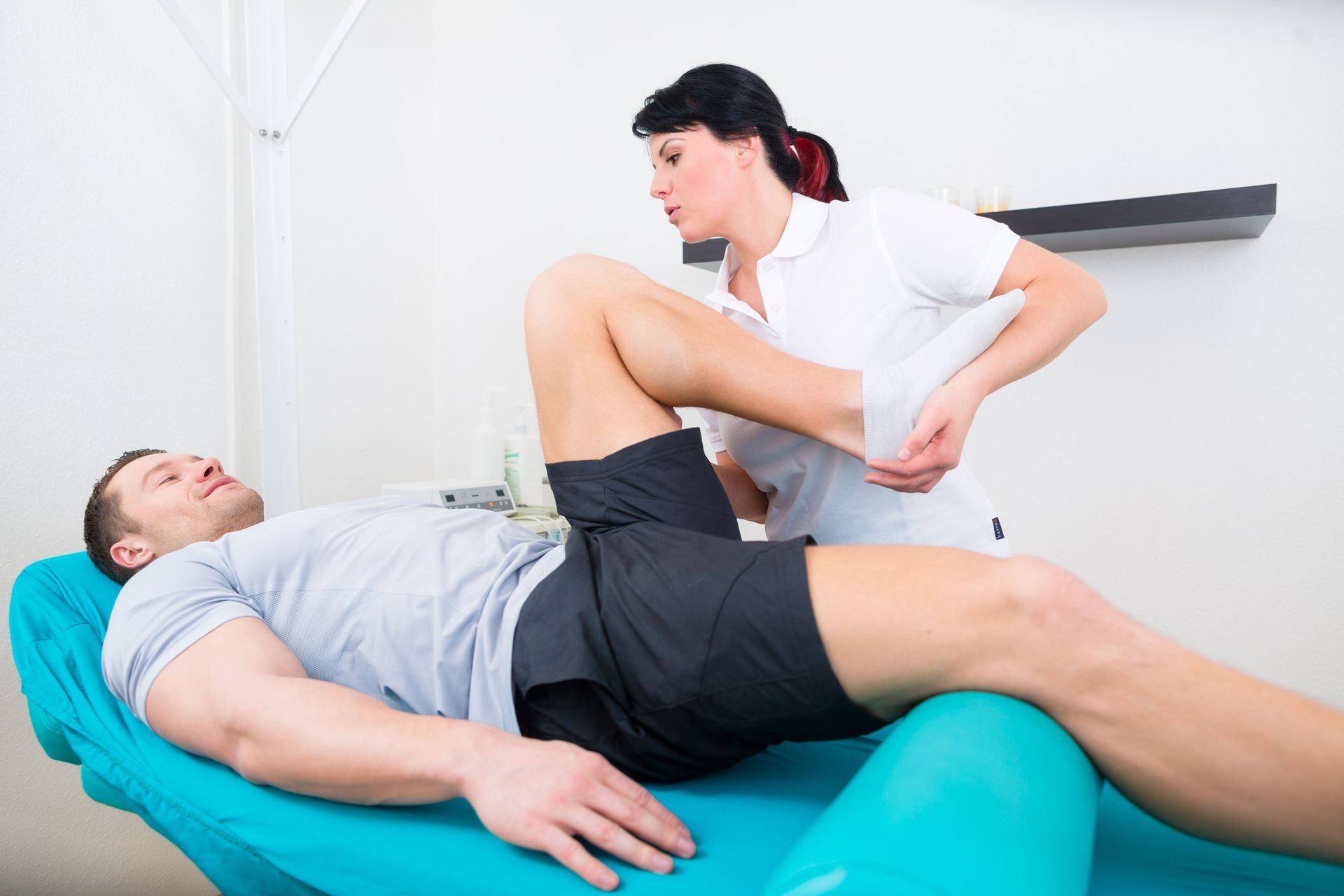
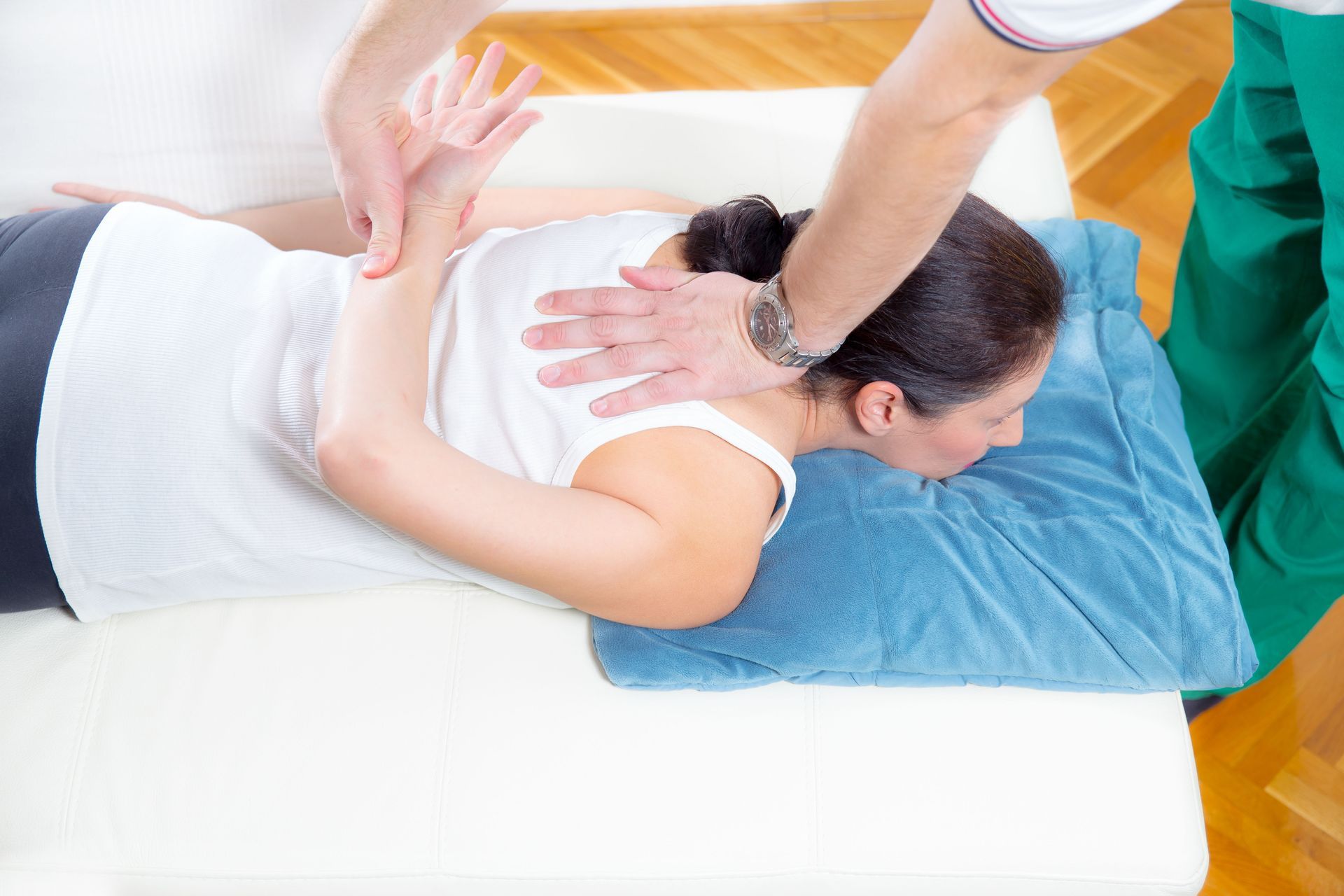
Hands-on clinical interventions play an indispensable role in accelerating tissue healing and restoring restricted joint mechanics following periods of immobilization or injury. Skilled manual adjustments, passive soft tissue mobilization, targeted myofascial release, and structured joint glides work in tandem to diminish localized tension and improve regional blood flow. Applying controlled manual pressure helps release deep structural restrictions and scar tissue that often prevent natural movement following major physical trauma. These focused clinical techniques help prepare tight anatomical structures for subsequent active exercise by immediately decreasing baseline stiffness and expanding passive range of motion.
Integrating structured flexibility routines alongside manual care further expands functional movement ranges while decreasing systemic physical tension across linked joint complexes. Controlled passive stretches and active-assisted range of motion exercises are an important part of physical therapy and help promote healthy collagen fiber remodeling and drastically increase muscle tissue elasticity over time. Systematically lengthening chronically tight muscle groups helps restore proper alignment across joints, drastically lowering abnormal mechanical stress during daily functional activities. Prioritizing flexibility within structured sessions lays a stable, resilient foundation for dynamic movement, enhanced athletic performance, and long-term joint health.
Addressing Structural Pain Directly
Managing localized discomfort effectively is critical for encouraging patient participation, restoring fluid movement mechanics, and ensuring smooth progression through active recovery phases. Specialized clinical modalities such as cold therapy, heat applications, transcutaneous electrical nerve stimulation, and therapeutic ultrasound help modulate central and peripheral pain signals without reliance on pharmaceuticals. Reducing localized tissue inflammation and altering sensory input allows patients to engage in necessary movement routines with far less discomfort and anxiety. This balanced, non-invasive approach removes significant physical barriers, making active therapeutic exercises vastly more comfortable, accessible, and productive for the individual.
Incorporating non-pharmacological relief strategies directly into regular sessions builds patient confidence and reinforces positive, non-protective movement patterns. Practitioners carefully monitor how patients respond to various passive and active modalities, modifying parameters continuously to ensure comfort throughout the rehabilitation process. Reducing discomfort encourages consistent clinic attendance and active participation in challenging exercises, which directly accelerates overall functional gains over time. Placing a high priority on comprehensive discomfort management ultimately ensures a much smoother, safer, and more encouraging clinical experience for individuals recovering from severe physical limitations.
Fostering Guided Patient Autonomy
Educational guidance serves as a core component of sustainable health outcomes, equipping individuals with the deeper knowledge needed to manage their movement recovery actively and safely. Understanding the exact biological mechanisms behind tissue repair helps demystify the multi-stage healing timeline and encourages strict adherence to clinical guidelines. Practitioners outline clear expectations regarding functional recovery milestones, explaining how specific therapeutic activities directly contribute to long-term mobility and injury prevention goals. Knowledge empowers individuals to make informed daily choices, monitor their own physical progress accurately, and recognize healthy structural adaptation signals versus potential warning signs.
Complementing structured clinical visits with detailed home routines ensures that functional gains continue to compound well outside the immediate clinical environment. Personalized home protocols reinforce the neuro-muscular adaptations achieved during supervised sessions, accelerating strength building, balance, and flexibility gains over time. Instilling strong habits of self-management builds long-term personal confidence, enabling individuals to maintain their enhanced physical health long after formal clinical care has concluded. Empowering patients with practical, everyday movement tools fosters lifelong independence, reduces future re-injury risks, and supports ongoing physical vitality across all life activities.
Structured clinical care plays a vital role in rapidly restoring functional movement through individualized care plans, evidence-based practices, and proactive patient education. Addressing physical limitations through targeted manual care, progressive exercise programs, and comprehensive self-management helps individuals achieve exceptional, long-lasting health outcomes. Investing in guided rehabilitation allows patients to regain their independence, rebuild functional capacity, and return to the active lifestyles they enjoy most. Take the next step toward optimal movement health today by contacting Advanced Physical Therapy of SJ to schedule your introductory physical therapy consultation and begin your personal journey toward lasting vitality and movement freedom.