April 23, 2026
Physical therapy is essential for enhancing mobility, building strength, and promoting overall wellness. By tailoring recovery programs to individual needs, physical therapy helps patients regain function, prevent injury, and maintain long-term health. This article explores the core principles, benefits, and techniques of physical therapy, highlighting how personalized care empowers individuals to improve both mobility and strength effectively. Beyond recovery from injury, physical therapy also encourages proactive health maintenance, equipping individuals with the knowledge and skills to protect their bodies against future strain or dysfunction.
Understanding Physical Therapy
The Role of Physical Therapists
Physical therapists are healthcare professionals who develop individualized programs to improve movement, relieve pain, and enhance quality of life. Their expertise spans musculoskeletal and neurological conditions, allowing them to provide exercises, manual therapy, and education tailored to each patient. By guiding patients through recovery, physical therapists help restore mobility and strengthen the body safely and efficiently. They also act as educators, teaching patients how to maintain progress outside the clinic and integrate healthy movement habits into everyday life.
Key Principles
Physical therapy focuses on restoring function, relieving pain, and preventing future injuries. Programs integrate clinical knowledge with scientific evidence to improve strength, flexibility, and endurance. Patients are encouraged to adopt active lifestyles and preventive habits, which help maintain long-term health outcomes beyond the therapy sessions. Emphasizing holistic care, physical therapy also considers lifestyle factors, such as sleep quality, stress management, and ergonomics, to create comprehensive recovery strategies.
Types of Physical Therapy
Physical therapy includes orthopedic, neurological, and pediatric specialties, among others. Orthopedic therapy addresses muscles, joints, and bones; neurological therapy targets balance and coordination for neurological disorders; pediatric therapy assists children with developmental or motor challenges. This variety ensures that treatments are tailored to diverse patient needs. Additionally, some therapists specialize in sports rehabilitation, cardiopulmonary therapy, or geriatric care, further broadening the scope and accessibility of physical therapy for different populations.
Initial Assessment and Goal Setting
Therapy begins with a thorough assessment of medical history, mobility, and strength to create personalized recovery plans. Goal setting is critical: short-term and long-term objectives motivate patients and provide benchmarks to track progress. Collaborative goal setting fosters accountability, ensuring patients remain committed to their recovery journey. By establishing measurable milestones, physical therapy not only tracks improvement but also reinforces motivation and self-confidence, encouraging patients to take an active role in their health outcomes.
Benefits of Physical Therapy
Improving Flexibility and Range of Motion
Physical therapy enhances flexibility and joint mobility, essential for daily activities and athletic performance. Techniques such as stretching, joint mobilization, and proprioceptive exercises reduce stiffness, improve coordination, and increase functional movement. Over time, patients often notice improvements in posture, ease of movement, and reduced risk of injury, illustrating how physical therapy promotes both immediate and long-term benefits.
Reducing Pain
Physical therapy alleviates pain through exercises, manual therapy, and modalities like heat, cold, and electrotherapy. According to a survey from the American Physical Therapy Association, 63% of users said they would not engage with physical therapy via telehealth, highlighting the value of in-person sessions for effective pain management. Addressing pain allows patients to move more freely, enhancing overall function and improving mental well-being by reducing the stress and frustration that chronic pain often brings.
Enhancing Balance and Coordination
Therapists provide balance exercises to prevent falls and injuries, particularly in older adults. These activities improve proprioception, correct postural imbalances, and increase confidence in daily movement, contributing to independence and safety. Developing these skills also benefits younger patients recovering from injuries or surgery, helping them regain normal coordination and return to previous activity levels more quickly.
Preventing Future Injuries
Physical therapy teaches patients safe movement patterns and strengthens vulnerable areas to reduce future injuries. Strengthening weak muscles and improving posture helps prevent recurring musculoskeletal issues, supporting long-term mobility. Education on proper lifting techniques, joint alignment, and ergonomic adjustments provides patients with tools to protect their bodies in both personal and professional settings.
Maintaining Mobility Long-Term
Therapy extends beyond immediate recovery. Home exercise programs and continuous guidance help patients preserve mobility and strength over time. Consistent follow-up ensures gains are maintained and functional independence is promoted. By adopting lifelong habits and preventive routines recommended by physical therapists, patients can sustain health improvements well into older age, reducing dependency and maintaining an active lifestyle.
Strength Building Through Physical Therapy
Targeted Muscle Exercises
Strengthening specific muscles is central to physical therapy. Using resistance bands, weights, and bodyweight exercises, therapists focus on areas requiring reinforcement, improving stability, joint protection, and overall functional strength. Patients benefit from a gradual, progressive approach that balances intensity with safety to avoid overexertion or injury.
Resistance Training
Resistance exercises enhance muscle endurance and power, improve posture, and reduce injury risk. Incorporating resistance into therapy creates balanced muscle development and supports daily activity demands. It also strengthens connective tissues and bones, providing additional structural support essential for long-term mobility and physical resilience.
Functional Strength
Exercises are designed to mimic real-life movements like lifting, carrying, and reaching, ensuring strength gains translate to daily activities. Functional training boosts independence and prepares patients for everyday challenges. By simulating real-life tasks, physical therapy ensures that strength improvements are meaningful, practical, and sustainable in everyday life.
Progress Tracking
Regular evaluations allow therapists to adjust programs as patients advance. Tracking improvements ensures therapy remains effective and tailored, maximizing recovery outcomes. This process helps patients recognize achievements, maintain motivation, and stay committed to long-term strength and mobility goals.
Specialized Techniques
Manual Therapy
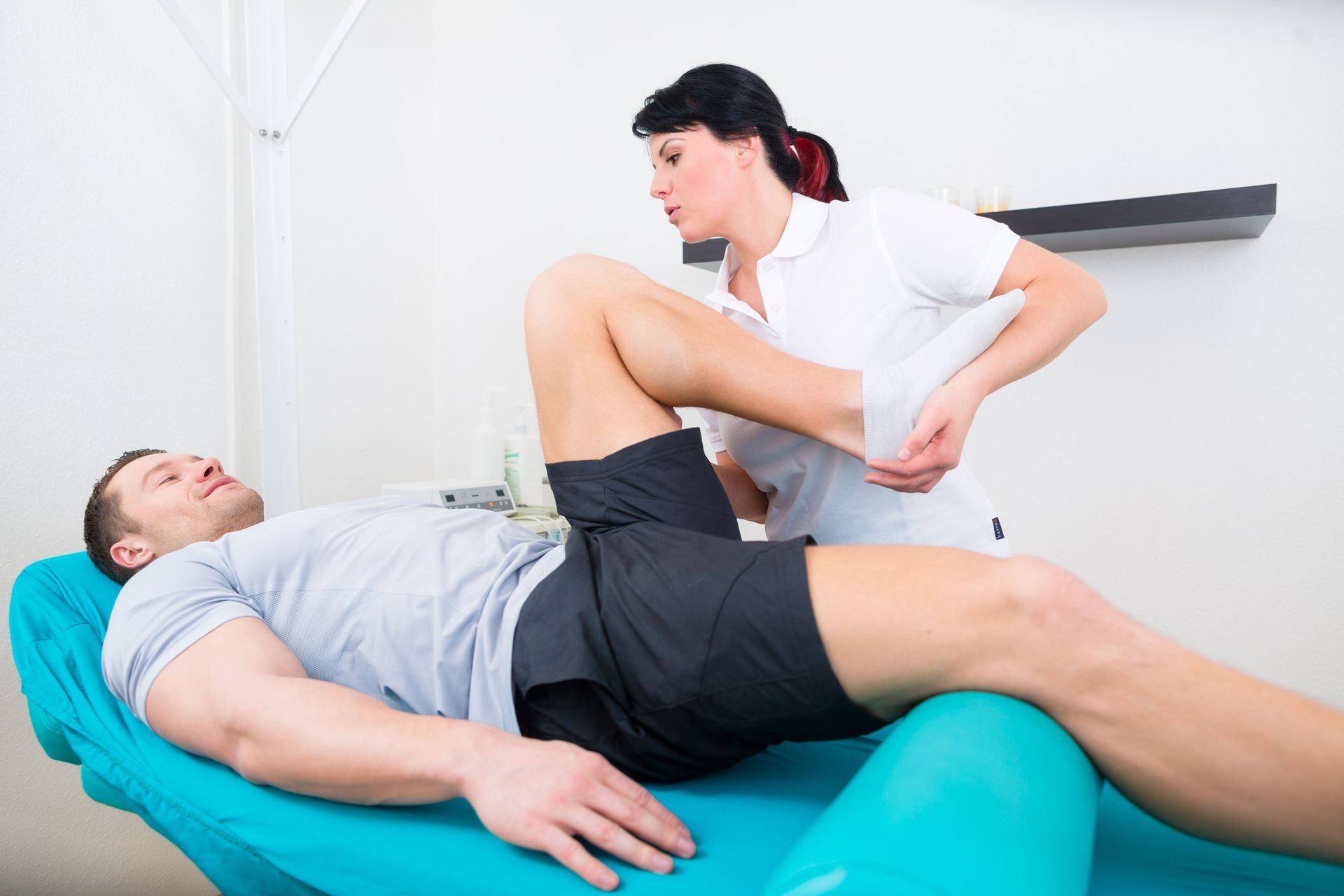
Hands-on techniques such as joint mobilizations, stretching, and soft tissue manipulation reduce pain and improve movement. These interventions are tailored to patient-specific needs, enhancing recovery. Manual therapy also complements exercise programs, ensuring muscles and joints are primed for optimal function.
Aquatic Therapy
Water-based therapy reduces joint impact, promotes muscle relaxation, and aids strength and endurance. Aquatic exercises benefit patients with arthritis, chronic pain, or those unable to perform standard weight-bearing exercises. The buoyancy and resistance of water create a gentle yet effective environment for rehabilitation.
Electrotherapy and Ultrasound
Electrotherapy stimulates muscles and nerves for pain relief and faster healing, while ultrasound therapy enhances blood flow, tissue repair, and reduces inflammation. Both techniques supplement traditional therapy to accelerate recovery, allowing patients to regain mobility more efficiently.
Kinesiology Taping
Elastic therapeutic tape provides support and stabilizes muscles and joints without limiting movement. It improves circulation, reduces discomfort, and enhances proprioception, complementing rehabilitation routines. Kinesiology taping is particularly effective for athletes or active individuals seeking support during daily activities or sports.
Patient Engagement and Education
Participation and Feedback
Active patient engagement ensures therapy success. Consistent practice of prescribed exercises and open communication with therapists foster progress, accountability, and motivation throughout the recovery process. Feedback also helps therapists adjust programs for maximum effectiveness.
Condition Education
Understanding one’s condition empowers patients to follow therapy effectively. Educated patients anticipate challenges, adhere to exercises, and gain confidence in managing their recovery, optimizing outcomes. Education also encourages proactive measures to prevent relapse or further injury.
Home Exercise Programs
Customized home routines extend therapy benefits outside the clinic. Designed for individual capabilities and environments, these exercises reinforce progress and promote self-sufficiency in maintaining strength and mobility. Regular at-home practice complements clinical sessions and accelerates overall improvement.
Physical therapy is a comprehensive approach to improving mobility, strength, and overall well-being. Through personalized plans, specialized techniques, patient education, and continued engagement, individuals can regain function, prevent injury, and maintain long-term health. By addressing both physical and psychological aspects of recovery, physical therapy empowers patients to lead active, independent lives. With technological innovations and increased accessibility on the horizon, physical therapy is set to provide even more individualized, effective, and patient-centered care in the years to come, making it an indispensable part of modern healthcare. For more information, contact Advanced Physical Therapy of SJ.