The road to physical restoration after an injury or surgery is rarely a straight line. It is a complex journey that requires a deep understanding of human anatomy, biomechanics, and personalized care. In this article, we explore various strategies employed by a local physical therapist to accelerate patients' recovery processes. These methods focus on personalized treatment plans, advanced therapeutic technologies, effective communication, and ongoing support. By examining these practices, we aim to understand the key factors that contribute to efficient rehabilitation and improved patient outcomes in the modern healthcare landscape.
Gathering Patient History and Symptoms
Effective physical therapy starts with a comprehensive understanding of the patient's medical history and current symptoms. When you first consult a local physical therapist, the process begins with an in-depth interview to gather crucial background information. This includes any previous injuries, underlying medical conditions, and surgeries that could affect the therapy process.
However, a holistic view goes beyond just the physical. The therapist also considers the patient's lifestyle, work habits, and emotional state. For instance, a desk worker with chronic neck pain requires a different approach than a professional athlete with the same symptom. This detailed information is vital for establishing a baseline and customizing the recovery plan to ensure it fits the patient's daily reality.
Performing Physical Examination and Mobility Tests
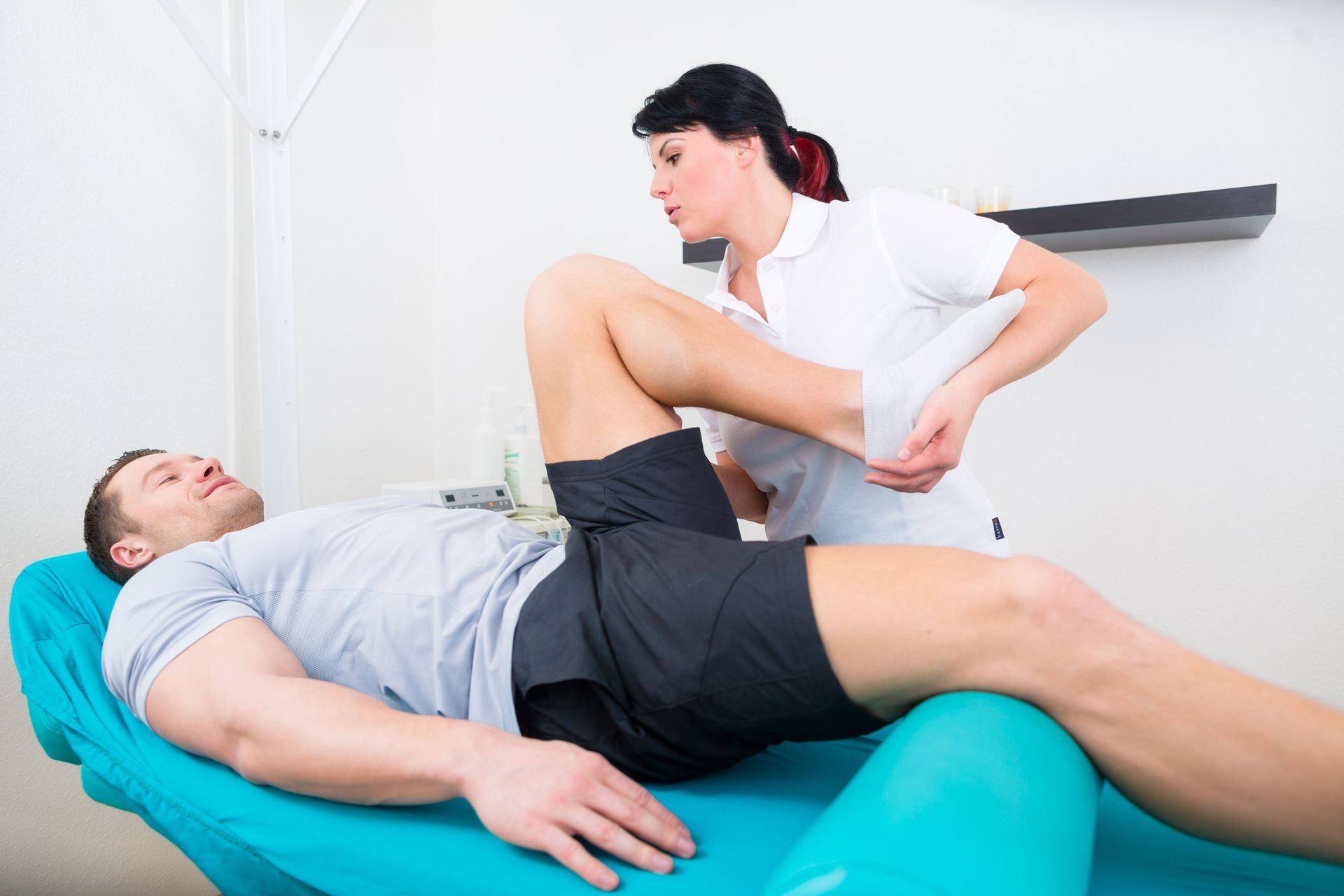
After gathering the patient's history, the local physical therapist conducts a series of physical examinations and mobility tests. These tests help assess the current level of function and identify specific areas of concern. Range of motion, muscle strength, balance, and coordination are typically evaluated during this phase.
The results of these tests provide a clearer picture of the patient's physical capabilities and limitations. It isn't just about where it hurts; it's about identifying "compensatory movements" where the body is overworking one area to protect another. This step ensures that the treatment plan addresses all relevant issues and maximizes potential recovery outcomes.
Utilizing Diagnostic Tools for Accurate Evaluation
Advanced diagnostic tools play a crucial role in refining the assessment process. While a manual exam is essential, instruments such as ultrasound, MRI, and electromyography (EMG) may be employed to gain deeper insights into musculoskeletal functioning. These tools help visualize underlying conditions—such as micro-tears or nerve impingements—that are not visible through a standard physical exam. Accurate diagnostics enable the therapist to target treatments more effectively, significantly reducing recovery time. The integration of these technologies is a testament to the evolving nature of modern physical therapy practices.
Setting Realistic and Attainable Recovery Goals
Following a comprehensive evaluation from a local physical therapist, realistic and attainable recovery goals are established. Setting these goals involves a high level of collaboration between the patient and the therapist, ensuring that expectations are aligned. The objectives must be specific, measurable, and time-bound (SMART goals) to provide a clear roadmap for recovery.
Whether the goal is walking without a cane or returning to competitive sports, these benchmarks are essential for tracking progress and maintaining motivation throughout the therapy process. By focusing on achievable outcomes, both the patient and therapist can work synergistically towards full recovery. According to Mastermind Behavior Services, the success rate for physical therapy ranges between 68% to 72%
Developing a Personalized Treatment Plan
The culmination of the assessment is the development of a personalized treatment plan. Tailored to the individual, this plan takes into account all gathered data, including patient history, current condition, and set goals. A customized approach ensures that therapy addresses specific needs and optimizes recovery potential rather than applying a "one-size-fits-all" exercise sheet. The treatment plan serves as a blueprint, guiding therapeutic interventions and modifications over time. Flexibility is key, allowing for adjustments as progress is tracked and goals are reevaluated based on the body's response to treatment.
Incorporating Innovative Therapeutic Techniques
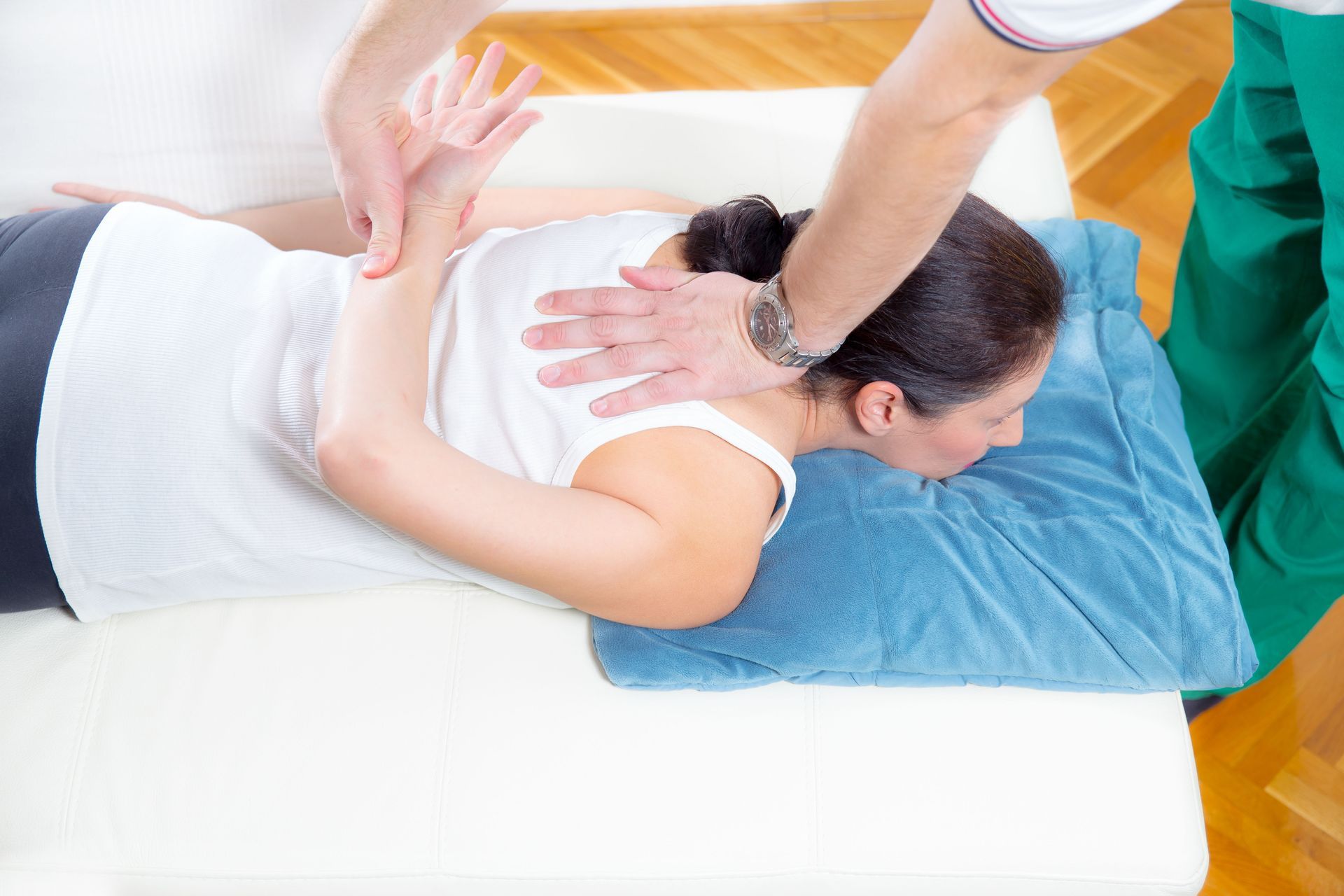
Manual therapy is a cornerstone of physical therapy, aimed at improving mobility and reducing pain. Techniques such as massage, joint manipulation, and mobilization are used to address tissue dysfunction and joint stiffness. This hands-on approach helps restore movement patterns, reduce joint restrictions, and enhance overall function. By affecting soft tissues and improving local circulation, manual therapy can significantly speed up the initial phases of recovery. It serves as an integral part of the therapy plan, often complementing other treatment modalities like strength training.
Implementing Neuromuscular Reeducation Techniques
Neuromuscular reeducation techniques are designed to improve coordination and retrain nerves and muscles to work effectively together. After an injury, the brain often "forgets" how to properly recruit certain muscles. This process involves specific exercises that focus on enhancing proprioception—your body's ability to sense its position in space—and motor control. Through guided movements and repetitive practice, patients learn to perform actions with greater efficiency. This reeducation is crucial for restoring functional movement patterns and preventing re-injury by ensuring the body moves as a cohesive unit.
Adopting Advanced Pain Management Strategies
Effective pain management is essential for facilitating recovery. If a patient is in too much pain to move, progress stalls. Techniques such as cryotherapy (cold therapy), heat therapy, and transcutaneous electrical nerve stimulation (TENS) are used to alleviate discomfort and inflammation. By addressing pain levels, these strategies allow for more aggressive physical activities during therapy sessions. Effective pain management not only eases symptoms but also boosts morale and encourages active participation, which is vital for long-term success.
Employing Cutting-Edge Technologies and Devices
In recent years, the incorporation of cutting-edge technologies has revolutionized how a local physical therapist works. Robotics, virtual reality for balance training, and wearable sensors that track movement quality in real-time are just a few examples. These technologies provide instant feedback, enhancing patient engagement and improving outcomes. They also enable therapists to track progress more closely, making data-driven adjustments to treatment plans. As technology evolves, so does its ability to positively impact the speed and quality of the recovery process.
Exploring Alternative and Complementary Therapies
Alternative and complementary therapies can support traditional methods, providing holistic care. Techniques such as acupuncture, yoga-based stretching, and hydrotherapy (water-based exercise) offer additional avenues for pain relief and improved mobility. Patients often find that these therapies help reduce stress and promote mental well-being during their journey. Incorporating diverse options can be particularly beneficial for those with chronic conditions, ensuring that all aspects of the patient's health are addressed simultaneously.
For patients with complex needs, involving occupational and speech therapists may be necessary. Occupational therapy assists in enhancing daily living skills, while speech therapy addresses communication or swallowing difficulties. Coordination among these specialists allows for the creation of a more tailored and effective recovery plan, focusing on the patient's total independence.
The critical role that a local physical therapist plays in speeding up recovery extends far beyond conventional exercise instruction. By focusing on individual needs, integrating innovative techniques, and fostering a supportive, educational environment, these professionals optimize the entire rehabilitation process. This comprehensive approach helps patients regain movement and function while empowering them to maintain their health for years to come.
When you are ready to take the next step in your healing journey, you deserve a local physical therapist who combines clinical expertise with a personal touch. For the highest standard of care in the region, trust Advanced Physical Therapy of SJ to guide your recovery. Our dedicated team is committed to helping you return to the activities you love with strength and confidence. Reach out today to begin your personalized path to wellness.